Autoclave Instructions: A Comprehensive Guide
Autoclaves utilize high-pressure, high-temperature steam to effectively eliminate microorganisms and deactivate biohazardous materials, ensuring complete sterilization for various applications․
Understanding Autoclaves and Sterilization
Autoclaves are paramount in healthcare, research, and various industries for achieving reliable sterilization․ Sterilization, the complete elimination of all viable microorganisms, is crucial for preventing infections and ensuring the safety of materials․ Autoclaves accomplish this through the power of moist heat under pressure․ This method is preferred due to its effectiveness, non-toxicity, and relatively low cost․
The autoclave’s working principle centers around utilizing hot steam within a pressurized chamber to disinfect items․ Understanding the core concepts of sterilization – including the difference between disinfection and sterilization – is vital before operating an autoclave․ Proper training and adherence to established protocols are essential for safe and effective use․
The Principle of Moist Heat Sterilization
Moist heat sterilization, the foundation of autoclave operation, leverages the enhanced thermal destruction of microorganisms achieved through steam․ The autoclave works on this principle by heating water to generate steam within a sealed, pressurized chamber․ This elevated pressure significantly increases water’s boiling point, allowing temperatures to surpass 100°C – often reaching 121°C or 132°C․
This higher temperature, combined with the steam’s penetrating ability, denatures proteins and destroys the cellular structures of bacteria, viruses, fungi, and spores․ High-pressure steam sterilization effectively heats water, driving out cold air and sealing the exhaust valve, ensuring complete sterilization․ It’s a reliable method for rendering biohazardous material inactive․
How Autoclaves Work: A Detailed Explanation
Autoclaves function by creating a high-pressure environment filled with saturated steam․ Water is heated within the chamber, generating steam that circulates and contacts all surfaces of the materials being sterilized․ The chamber is sealed, and pressure builds as the steam cannot escape, raising the boiling point of the water․
This increased temperature, facilitated by the pressure, is crucial for effective sterilization․ The steam penetrates materials, transferring heat and denaturing microbial proteins․ The autoclave’s working principle relies on this hot steam․ Air removal is vital; cold air inhibits steam penetration․ Effective sterilization requires driving out this air and maintaining consistent temperature and pressure throughout the cycle․
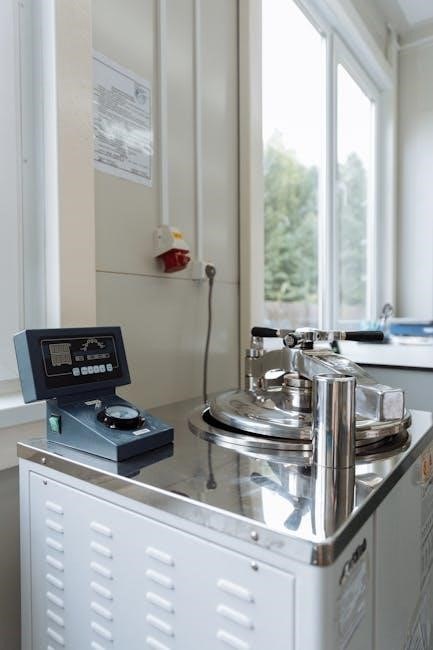
Safety Precautions When Operating an Autoclave

Familiarize yourself with potential hazards and protective measures before operating an autoclave; proper training is essential to prevent accidents and ensure safety․

Personal Protective Equipment (PPE)
Prioritizing safety when working with autoclaves necessitates the consistent use of appropriate Personal Protective Equipment, or PPE․ This crucial step minimizes the risk of burns and injuries associated with high temperatures and pressurized steam․ Heat-resistant gloves and sleeves are paramount, providing a barrier against accidental contact with hot surfaces or materials․ A rubber apron, or alternatively a lab coat if no hot liquids are involved, offers further protection to clothing and skin․
Eye protection, such as safety glasses or a face shield, is also essential to shield against potential splashes or steam bursts․ Remember, proper PPE isn’t merely a suggestion; it’s a fundamental requirement for safe autoclave operation, safeguarding personnel from potential harm during the sterilization process․
Heat Resistant Gloves and Sleeves
Employing heat-resistant gloves and sleeves is a non-negotiable safety measure when handling materials immediately following the autoclave cycle, or when interacting with the autoclave itself during operation․ These specialized garments provide a critical thermal barrier, protecting hands and arms from severe burns caused by hot surfaces, steam, and sterilized items․ Gloves should offer a secure grip and dexterity, allowing for safe manipulation of objects․
Sleeves extend protection further up the arm, safeguarding against accidental splashes or contact․ Ensure gloves and sleeves are inspected for any damage before each use, and replace them if compromised․ Prioritizing this PPE significantly reduces the risk of injury and promotes a safe working environment․
Lab Coats and Aprons
Wearing appropriate protective clothing, such as lab coats and aprons, is essential when working with autoclaves to shield skin and personal attire from potential hazards․ A standard lab coat provides a basic layer of defense against splashes and spills, while a rubber or impervious apron offers enhanced protection, particularly when handling potentially hazardous materials or hot liquids․
If hot liquids are not involved, a lab coat may suffice; however, an apron is always the safer choice․ Ensure the lab coat is buttoned and the apron securely fastened․ Regularly inspect these garments for contamination or damage, and launder or dispose of them appropriately to maintain a hygienic and safe laboratory environment․
Eye Protection
Protecting your eyes is paramount when operating an autoclave, as the potential for splashes, steam bursts, or accidental releases exists․ Safety glasses with side shields or, preferably, a face shield, should always be worn during the entire autoclaving process – from loading and unloading to operation and maintenance․
These barriers safeguard against thermal burns, chemical splashes, and potential projectile hazards․ Ensure the eye protection fits securely and provides adequate coverage․ Regularly inspect for any damage or scratches that could compromise its effectiveness․ Prioritize eye safety as a non-negotiable aspect of autoclave operation to prevent serious injury and maintain a secure laboratory setting․
Potential Hazards and Risk Mitigation
Autoclave operation presents several hazards, primarily burns from hot surfaces and steam, and potential explosions if procedures aren’t followed correctly․ Improper loading can hinder sterilization and create risks․ Familiarization with these dangers is crucial before operation; comprehensive training is essential․
Risk mitigation involves consistent use of personal protective equipment (PPE), like heat-resistant gloves and eye protection․ Never open the autoclave until the cycle is complete and pressure has fully subsided․ Regular maintenance and adherence to established protocols minimize the chance of malfunctions․ Prioritize safety by understanding potential issues and implementing preventative measures to ensure a secure working environment․

Autoclave Operation: Step-by-Step Instructions
Effective sterilization requires correct loading, parameter setting, cycle monitoring, and safe unloading, all while adhering to established protocols for optimal results․
Loading the Autoclave Correctly

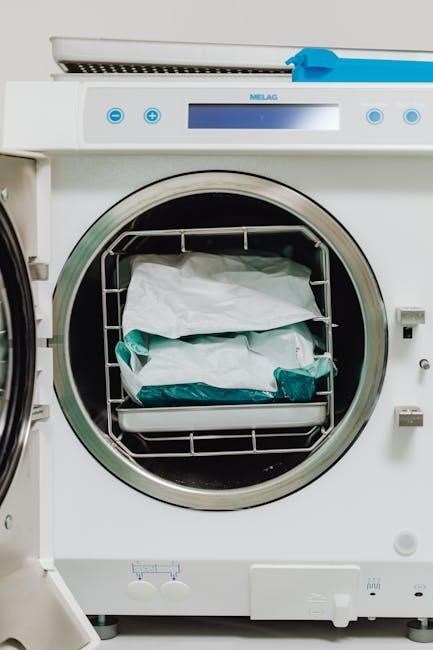
Proper loading is crucial for ensuring steam penetration and effective sterilization of all materials within the autoclave chamber․ Items should be arranged to allow for free circulation of steam, avoiding dense packing that can create shadowed areas where microorganisms may survive․
Materials must be placed so steam can directly contact all surfaces; porous materials require more exposure time․ Liquids should be contained in appropriate, heat-resistant containers with vented caps to prevent explosions․
Avoid overloading the autoclave, as this restricts steam flow and compromises sterilization efficacy․ Leave sufficient space between items and the chamber walls – typically, no more than a certain percentage of the chamber volume should be filled, depending on the autoclave model․
Incorrect loading can lead to incomplete sterilization and potential contamination risks, so careful attention to detail is paramount․
Proper Placement of Materials
Strategic placement of materials within the autoclave is paramount for successful sterilization․ Items should never be packed too tightly, as this hinders steam penetration, leaving areas insufficiently sterilized․ Ensure containers are not obstructing each other, allowing unimpeded steam circulation around each item․
Porous materials, like fabrics and paper, require more space and should be loosely loaded to facilitate steam access․ Liquids must be in heat-resistant containers with vented caps, positioned upright to prevent spillage during the cycle․
Heavy items should be placed on the bottom shelves to avoid crushing lighter materials․ Avoid placing items directly against the chamber walls, maintaining a gap for optimal steam flow․
Careful consideration of material properties and autoclave loading guidelines is essential for consistent and reliable sterilization results․
Avoiding Overloading
Overloading the autoclave significantly compromises sterilization effectiveness․ A densely packed chamber restricts steam circulation, creating cold spots where microorganisms can survive․ This defeats the purpose of the sterilization process and poses a serious risk of contamination․
Always adhere to the manufacturer’s specified load limits for your autoclave model․ Leave sufficient space between items and around the chamber walls to ensure complete steam penetration․
Consider the type of materials being sterilized; bulky items require more space than smaller ones․ If you have a large volume of materials, it’s better to run multiple cycles rather than attempting to sterilize everything at once․
Prioritizing proper loading over convenience is crucial for maintaining the integrity of the sterilization process and ensuring reliable results․
Setting the Correct Parameters
Proper parameter selection is fundamental to successful autoclave sterilization․ Temperature, typically 121°C or 132°C, dictates the heat intensity, while pressure, usually 15-30 psi, elevates water’s boiling point for effective steam generation․ The choice depends on the materials and required sterilization level․
Sterilization time is crucial; longer cycles are needed for larger volumes or resistant microorganisms․ Generally, 15-20 minutes at 121°C or 3-10 minutes at 132°C are standard․
Always consult sterilization guidelines for specific materials․ Incorrect settings can lead to incomplete sterilization or damage to items․ Accurate parameter settings guarantee microbial inactivation and safe handling of sterilized goods․
Temperature Settings (e․g․, 121°C, 132°C)
Temperature selection directly impacts sterilization efficacy․ 121°C (250°F), a common setting, requires a longer exposure time, typically 15-20 minutes, for thorough sterilization of general laboratory materials and media․ This temperature is suitable for most routine applications․
132°C (270°F), a higher temperature, shortens sterilization time to 3-10 minutes, ideal for larger volumes or materials requiring rapid processing․ However, it may not be suitable for heat-sensitive items․
Higher temperatures enhance steam penetration and microbial inactivation․ Always verify material compatibility with chosen temperatures to prevent damage․ Accurate temperature control is vital for reliable sterilization results․
Pressure Settings
Pressure within the autoclave is intrinsically linked to temperature; increased pressure elevates water’s boiling point, achieving sterilization temperatures․ Typically, autoclaves operate at 15-20 psi (pounds per square inch) above atmospheric pressure․ This corresponds to the temperatures discussed previously – 121°C or 132°C․
Maintaining correct pressure is crucial for effective steam penetration and heat distribution․ Insufficient pressure compromises sterilization, while excessive pressure poses a safety risk․ Modern autoclaves automatically regulate pressure, but monitoring gauges is essential․
Proper sealing of the autoclave chamber is paramount to prevent pressure leaks․ Regular inspection of gaskets and door seals ensures consistent and reliable performance, guaranteeing complete sterilization cycles․
Sterilization Time Considerations
Sterilization time is dictated by several factors, including the volume and type of materials being autoclaved, as well as the chosen temperature and pressure․ Generally, a minimum of 15-20 minutes at 121°C is recommended for most loads․ Larger volumes or dense materials require longer cycles – potentially 30-60 minutes․
Biohazardous waste necessitates longer sterilization times to ensure complete inactivation of pathogens․ Pouches and wrapped instruments also demand extended exposure․ Always consult established protocols for specific materials․
Accurate timing is vital; under-sterilization risks contamination, while over-sterilization can damage certain materials․ Utilize the autoclave’s timer function and verify cycle completion before unloading․
Starting and Monitoring the Cycle
Initiate the cycle by securely closing and locking the autoclave door․ Confirm all parameters – temperature, pressure, and time – are correctly set before pressing the start button․ Monitor the cycle closely through the autoclave’s display panel, observing pressure and temperature gauges․
Pay attention to any alarms or error messages that may appear, and address them according to the manufacturer’s instructions․ Ensure the chamber reaches the set temperature and pressure before the sterilization timer begins․
Do not interrupt a cycle once it has started unless absolutely necessary, as this can compromise sterilization effectiveness․ Allow the autoclave to complete the full cycle, including the cooling phase, before proceeding․
Unloading the Autoclave Safely
Prior to unloading, ensure the autoclave cycle is fully complete and the chamber pressure has returned to zero․ Allow sufficient cooling time; items inside will be extremely hot․ Utilize heat-resistant gloves and sleeves to protect your hands and arms during the unloading process․
Carefully open the door, directing steam away from your face and body․ Handle hot materials with appropriate tools, such as tongs or forceps, to avoid burns․ Inspect items for dryness and ensure sterilization has been effective․
Exercise caution when removing glassware or containers, as they may be fragile when hot․ Place sterilized items on a clean, heat-resistant surface to prevent contamination․
Allowing for Cooling
Crucially, never attempt to unload an autoclave immediately after the sterilization cycle concludes․ Allow ample cooling time, as items within the chamber retain significant heat and pose a severe burn risk․ The duration needed for cooling depends on the volume and type of materials sterilized․
Generally, waiting at least 15-30 minutes is recommended before opening the autoclave door․ This allows steam to condense and temperatures to decrease to a safer level․ Avoid rapid cooling by introducing cold air, as this can cause glassware to shatter․
Monitoring the internal temperature, if possible, can help determine when it’s safe to proceed with unloading․ Patience during this phase is paramount for operator safety․
Handling Hot Materials
Even after cooling, materials removed from the autoclave will remain hot and require careful handling to prevent burns․ Always wear appropriate personal protective equipment (PPE), including heat-resistant gloves and sleeves, when unloading and manipulating sterilized items․
Utilize tongs or forceps to retrieve glassware or metal instruments, avoiding direct contact with your hands․ Place hot items on a heat-resistant surface, such as a designated cooling rack, to prevent damage to countertops․
Be mindful that some containers may retain heat longer than others․ Allow sufficient time for items to cool to a comfortable temperature before handling them further․ Prioritize safety and exercise caution throughout the unloading process․
Types of Autoclaves
Autoclaves are categorized by their steam removal methods, including gravity displacement, pre-vacuum, and steam-flush pressure-pulse (SFPP) models, each offering unique sterilization capabilities․

Gravity Displacement Autoclaves
Gravity displacement autoclaves represent the most basic and commonly found type, relying on the principle that steam naturally displaces air within the chamber due to density differences․ As steam is generated, it rises and forces cooler, denser air out through a vent at the bottom of the chamber․ This process, while simple and cost-effective, can be slower and less efficient at air removal compared to other autoclave types․
Effective sterilization with gravity displacement autoclaves depends heavily on proper loading techniques – ensuring items aren’t densely packed, allowing steam to circulate freely․ These autoclaves are generally suitable for materials that are not particularly air-sensitive or require very rapid sterilization cycles․ They are frequently used for sterilizing media, glassware, and certain types of instruments where complete air removal isn’t critical․
Pre-Vacuum Autoclaves
Pre-vacuum autoclaves significantly enhance sterilization efficiency by actively removing air from the chamber before the steam introduction phase․ A vacuum pump creates a negative pressure, drawing out air from all areas, including those within wrapped packages and porous materials․ This ensures steam penetration is far more complete and rapid than with gravity displacement systems․
This active air removal is crucial for sterilizing complex instruments, hollow loads, and items that might trap air pockets․ Pre-vacuum autoclaves are preferred when dealing with items requiring higher levels of assurance regarding sterilization, such as surgical instruments․ They generally offer shorter cycle times and are more reliable for consistently achieving sterilization, making them a staple in many healthcare and research settings․
Steam-Flush Pressure-Pulse (SFPP) Autoclaves
Steam-Flush Pressure-Pulse (SFPP) autoclaves represent a modern advancement in sterilization technology, designed to overcome the limitations of air removal in traditional systems․ These autoclaves utilize a series of rapid steam flushes, alternating with pressure pulses, to effectively displace air from the chamber and penetrate loads․ This dynamic process ensures steam reaches all surfaces, even within densely packed or oddly shaped items․
SFPP systems are particularly effective for sterilizing porous loads and materials prone to air entrapment․ They offer a balance between the efficiency of pre-vacuum autoclaves and the simplicity of gravity displacement models․ The pulsed steam action actively seeks out and removes air, resulting in reliable and consistent sterilization cycles, making them suitable for a wide range of applications․
Maintenance and Troubleshooting
Regular cleaning and routine maintenance checks are crucial for optimal autoclave performance and longevity, preventing common issues and ensuring reliable sterilization cycles․
Regular Cleaning Procedures
Consistent cleaning is paramount for maintaining autoclave functionality and preventing the buildup of residues that can compromise sterilization effectiveness․ After each use, thoroughly wipe down the autoclave chamber with a damp cloth to remove any visible debris or spills․ Pay particular attention to door gaskets, ensuring they are clean and intact to maintain a proper seal․
Weekly, a more comprehensive cleaning should be performed, utilizing a designated autoclave cleaning solution – always following the manufacturer’s instructions․ This involves a deeper wipe-down of the chamber walls, shelves, and door components․ Inspect the drain for any obstructions and clear as needed․ Regular descaling, based on water hardness, is also vital to prevent mineral deposits from hindering performance; Maintaining a detailed cleaning log is recommended to track cleaning frequency and any observed issues․
Common Issues and Solutions
Autoclave malfunctions can arise, but many are easily addressed․ A frequent issue is failure to reach the set temperature or pressure, often due to a faulty heating element or door seal․ Check the seal for damage and replace if necessary․ If the autoclave consistently fails to vent properly, inspect the drain for blockages and clear them․
Steam leaks can indicate gasket problems or loose connections; tighten connections and replace gaskets as needed․ Error messages should be consulted in the user manual for specific troubleshooting steps․ If issues persist, avoid attempting complex repairs yourself; contact a qualified technician․ Regular preventative maintenance significantly reduces the likelihood of encountering these common problems, ensuring reliable operation․
Importance of Routine Maintenance Checks
Consistent autoclave performance and safety depend heavily on routine maintenance․ Regular checks extend the lifespan of the equipment and prevent costly repairs․ Weekly inspections should include verifying door seals for wear and tear, ensuring proper function of the temperature and pressure gauges, and examining the drain for obstructions․
Monthly, a thorough cleaning of the chamber is crucial to remove residue․ Quarterly, professional servicing is recommended to assess heating elements and safety valves․ Maintaining detailed records of all maintenance activities is vital for tracking performance and identifying potential issues before they escalate․ Proactive maintenance guarantees reliable sterilization and minimizes downtime․