The Spiderwick Guidebook: A Comprehensive Overview
The Spiderwick universe, brimming with faeries and folklore, captivates readers through its detailed field guide, recently revived via The Roku Channel’s adaptation.
Origins and Authorship
The Spiderwick Guidebook initially presents itself as an authentic field guide penned by Arthur Spiderwick, a naturalist who purportedly documented the hidden world of faeries in the early 20th century. However, the reality is a collaborative creation by Tony DiTerlizzi and Holly Black, published in 2003. This clever framing device, presenting the book as if discovered, immediately immerses the reader in the narrative’s central mystery.
DiTerlizzi, a celebrated illustrator, brought his lifelong passion for fantastical creatures and detailed naturalism to the project. Black, a skilled author of fantasy fiction, crafted the compelling narrative surrounding Spiderwick and his observations. The authors intentionally designed the guidebook to feel like a genuine, aged artifact, complete with handwritten notes and sketches, enhancing the illusion of authenticity and drawing readers deeper into the magical realm.
Tony DiTerlizzi and Holly Black: The Creative Duo
Tony DiTerlizzi, renowned for his intricate illustrations, possessed a childhood fascination with field guides and folklore, notably Dungeons & Dragons, which heavily influenced his artistic style. He envisioned creating a similar guide to document fantastical creatures, laying the groundwork for The Spiderwick Guidebook. His detailed artwork breathes life into the faerie world, lending it a tangible, believable quality.
Holly Black, a prolific author of young adult fantasy, contributed her narrative expertise, crafting the story of Arthur Spiderwick and the secrets surrounding his guidebook. Black’s skill in building suspense and developing compelling characters was crucial in establishing the series’ captivating atmosphere. The synergy between DiTerlizzi’s visual imagination and Black’s storytelling prowess resulted in a uniquely immersive and enchanting literary experience.
Inspiration Behind the Field Guide
Tony DiTerlizzi’s early passion for creating his own field guide, sparked in the 1980s, served as the foundational inspiration for The Spiderwick Guidebook. This initial project, blending his love for nature with the fantastical elements of Dungeons & Dragons, foreshadowed the detailed and immersive world he would later create with Holly Black. The desire to document the unseen, to categorize and understand magical creatures, drove the guidebook’s unique format.
Furthermore, a broader interest in folklore and mythology fueled the creation of the creatures within. The guidebook isn’t simply a fantastical invention; it draws upon existing legends and reimagines them for a new generation. This blend of personal inspiration and established lore gives the world of Spiderwick a sense of depth and authenticity, making it feel both wondrous and strangely familiar.

The World of Spiderwick
The Spiderwick Estate unveils a hidden realm where the faerie world intersects with humanity, filled with mythical creatures and ancient secrets waiting to be discovered.
The Spiderwick Estate: A Historical Perspective
The Spiderwick Estate, steeped in history, serves as the central location for the unfolding fantastical events within the series. Originally settled by Arthur Spiderwick himself, the estate’s long lineage is intrinsically linked to the observation and documentation of the faerie world. The house, and the surrounding grounds, aren’t merely a setting; they are a repository of knowledge, carefully guarded for generations.
Its architecture and layout subtly reflect a history of concealing magical secrets, with hidden passages and concealed rooms designed to protect the precious field guide. The estate’s age contributes to its atmosphere, fostering a sense of mystery and the feeling that something extraordinary lies just beneath the surface. The estate’s enduring presence symbolizes the Spiderwick family’s commitment to understanding and preserving the delicate balance between the human and faerie realms, a legacy passed down through time.
The Faerie Realm and its Connection to the Human World
The faerie realm, existing parallel to the human world, is a vibrant and often dangerous place, teeming with creatures both benevolent and malicious. This hidden world isn’t easily accessible, typically requiring specific knowledge or circumstances to breach the veil separating the two realities. The Spiderwick Estate occupies a unique nexus point, a place where the boundaries between worlds are particularly thin, allowing for increased interaction.
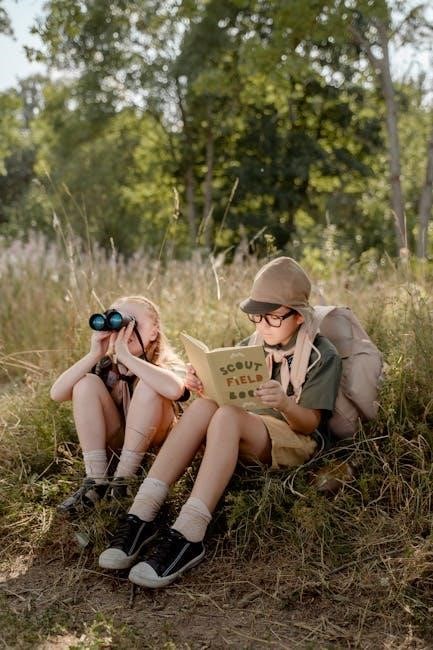
The connection isn’t always harmonious; faeries often resent human encroachment and interference. However, a delicate balance exists, reliant on humans remaining largely unaware of their presence. The field guide serves as a crucial tool for understanding this complex relationship, detailing faerie customs, weaknesses, and the potential consequences of disrupting their world. Maintaining this balance is paramount, as a disruption could unleash chaos upon both realms.
Key Locations within the Spiderwick Universe
The Spiderwick Estate itself is central, an old Victorian house steeped in history and surrounded by a sprawling, ancient forest. This forest isn’t merely woodland; it’s a gateway to the faerie realm, harboring hidden pathways and secret groves. The estate’s attic, where Arthur Spiderwick’s original field guide was hidden, holds particular significance, acting as a focal point for magical energy.
Beyond the estate, locations like the Sanctuary of Truth (though not directly featured, it evokes the aesthetic of faerie architecture) represent places where the veil between worlds is thin. Other key areas include hidden caves, ancient trees serving as faerie dwellings, and forgotten crossroads where magical events frequently occur. These locations are often guarded by creatures detailed within the guidebook, adding layers of danger and mystery.

Creatures Featured in the Guidebook
The Spiderwick field guide details a vast menagerie, from mischievous sprites and helpful brownies to dangerous goblins and powerful, diverse faeries—a mythical collection!
Goblins: Characteristics and Behavior
Goblins, as meticulously documented within the Spiderwick Guidebook, are frequently described as unpleasant and troublesome creatures, possessing a generally malicious disposition towards humans. They are often depicted as small, grotesque humanoids with warty skin and sharp teeth, exhibiting a penchant for causing mischief and disruption. Their behavior is largely opportunistic; goblins will exploit weaknesses and take advantage of unguarded situations.
The guide details their fondness for shiny objects and a tendency to hoard them, often creating cluttered and unsanitary lairs. Goblins are not particularly strong individually, but they frequently operate in groups, utilizing numbers to overwhelm their targets. They are known to be cunning and resourceful, capable of setting traps and employing rudimentary tools. Avoiding direct confrontation is generally advised, as goblins can be surprisingly tenacious and aggressive when cornered. The Guidebook stresses the importance of protecting valuable possessions from their thieving tendencies.
Sprites: Nature’s Mischievous Guardians
Sprites, as detailed in the Spiderwick Guidebook, are ethereal faeries intrinsically linked to the natural world, particularly flowers and blossoming plants. They are described as diminutive beings, often possessing iridescent wings and a playful, yet sometimes capricious, nature. While generally benevolent, sprites are known for their mischievous tendencies, delighting in harmless pranks and leading travelers astray with illusions.
The Guidebook notes their sensitivity to human actions; sprites are more likely to aid those who respect nature and show kindness towards the environment. They communicate through tinkling laughter and subtle shifts in the air, making direct interaction challenging. Sprites possess a limited ability to manipulate plant growth and can create temporary illusions to protect their habitats. Offering small gifts, like wildflower petals, is suggested as a gesture of goodwill, though caution is advised, as provoking a sprite’s ire can result in minor, but irritating, inconveniences.
Brownies: Helpful Household Spirits
Brownies, according to the Spiderwick Guidebook, are solitary faeries known for their willingness to assist humans with household chores – but only under specific conditions. These creatures, typically described as small and wizened, prefer to work under the cover of darkness, completing tasks like cleaning, baking, and mending while the human inhabitants sleep. However, their assistance isn’t freely given; brownies demand respect and a small offering in return.
The Guidebook emphasizes the importance of leaving out a saucer of milk or a small dish of honey as a token of gratitude. Failing to do so can result in mischievous retaliation, ranging from minor annoyances to outright chaos. Brownies are fiercely independent and dislike being directly observed or thanked, as it diminishes their sense of autonomy. They are generally shy and will vanish quickly if disturbed, making encounters rare and fleeting.
Faeries: A Diverse and Powerful Race
Faeries, as detailed within the Spiderwick Guidebook, represent a remarkably diverse and often unpredictable group of magical beings. Unlike the whimsical depictions often found in folklore, the Guidebook portrays faeries as possessing a wide spectrum of personalities and powers, ranging from benevolent sprites to dangerous and malicious creatures. Their power stems from their connection to the natural world, and they are deeply affected by human actions.
The Guidebook categorizes faeries into numerous classifications, each with unique characteristics and behaviors. Some faeries are bound by strict rules and traditions, while others operate with chaotic abandon. It’s crucial to remember that faeries are not inherently good or evil; their actions are often motivated by self-preservation and a desire to maintain the balance of the faerie realm. Interactions with faeries require caution, respect, and a thorough understanding of their complex nature.

The Spiderwick Family
Arthur Spiderwick penned the original field guide, while his descendants, Simon, Jared, and Mallory, rediscover its secrets and navigate a hidden world.
Arthur Spiderwick: The Original Author
Arthur Spiderwick stands as the pivotal figure behind the creation of the renowned field guide, a meticulously detailed compendium of the faerie world. His initial motivation stemmed from a desire to document the fantastical creatures he encountered, driven by a lifelong fascination with folklore and the hidden aspects of nature. The guidebook itself wasn’t merely a record; it represented a lifetime of observation and a dedication to understanding the delicate balance between the human and faerie realms.
However, Spiderwick’s story is shrouded in mystery, with his disappearance shortly after completing the guide adding to its enigmatic allure. The circumstances surrounding his vanishing remain largely unexplained, fueling speculation and contributing to the book’s legendary status. His work ultimately became a legacy passed down through generations of the Spiderwick family, waiting to be rediscovered and understood by those destined to inherit its secrets.
Grace Spiderwick: Protecting the Family Legacy
Grace Spiderwick embodies the steadfast guardian of her family’s extraordinary heritage, particularly the secrets contained within Arthur’s field guide. Following Arthur’s mysterious disappearance, she assumed the crucial role of safeguarding the book from falling into the wrong hands – those who might exploit the knowledge of the faerie world for malicious purposes. Her dedication wasn’t simply about preserving a family heirloom; it was about protecting the delicate balance between the human and faerie realms.
Grace understood the immense power and potential danger inherent in the guidebook’s contents, diligently ensuring its concealment for decades. She instilled in subsequent generations a sense of responsibility and caution, preparing them for the day they might need to confront the magical world revealed within its pages. Her unwavering commitment ensured the Spiderwick legacy endured, awaiting the arrival of those prepared to continue her work.
Simon and Jared Spiderwick: Modern-Day Discoverers
Simon and Jared Spiderwick represent the next generation thrust into the fantastical world documented within their great-uncle Arthur’s field guide. Initially skeptical and resistant, their lives are irrevocably altered upon discovering the hidden book and the creatures it describes. Simon, the elder, approaches the revelations with a cautious, analytical mindset, while Jared, the younger, embraces the adventure with impulsive enthusiasm.

Their contrasting personalities drive the narrative, as they navigate the challenges of understanding and interacting with the faerie realm. They must learn to decipher the guidebook’s cryptic entries, identify dangerous creatures, and ultimately, protect themselves and their family from the forces seeking to control the magical world. Their journey embodies a modern rediscovery of a forgotten legacy.

Mallory Spiderwick: The Observant Sister
Mallory Spiderwick, the pragmatic and observant older sister, initially serves as a grounding force for her brothers, Simon and Jared, amidst their fantastical discoveries. While not immediately drawn into the magical world like her siblings, Mallory’s keen eye for detail and logical thinking prove invaluable. She approaches the unfolding events with a skeptical yet open mind, meticulously documenting and analyzing the strange occurrences around the Spiderwick Estate.
Her role evolves from detached observer to active participant as she recognizes the genuine danger facing her family. Mallory’s ability to notice subtle clues and patterns, often overlooked by others, becomes crucial in deciphering the secrets of the field guide and protecting the Spiderwick legacy. She embodies a blend of practicality and courage.

Adaptations and Media
The Spiderwick Chronicles have seen various adaptations, including a 2008 film, a recently released Roku Channel series, and a previously cancelled Disney+ project.
The Spiderwick Chronicles Film (2008): A Retrospective
The 2008 film adaptation of The Spiderwick Chronicles brought the fantastical world to the big screen, introducing a wider audience to the Spiderwick family and the hidden faerie realm. While it offered a visually engaging interpretation, it notably diverged from the source material, streamlining the narrative and altering certain character dynamics.
Directed by Mark Waters, the film starred Freddie Highmore as the twins, Jared and Simon, and Sarah Bolger as their sister, Mallory. Despite receiving mixed reviews from critics, who often pointed to its deviations from the books, the film achieved moderate box office success. It captured the essence of the adventure and mystery central to the series, though fans of the original novels often debated its faithfulness. The film’s special effects were considered impressive for their time, successfully portraying the diverse and often mischievous creatures detailed in Arthur Spiderwick’s guidebook.
The Roku Channel Series (2024): A New Adaptation
The Roku Channel’s 2024 series represents a fresh attempt to faithfully adapt The Spiderwick Chronicles, aiming to capture the nuanced storytelling and intricate world-building of the original books. Launching in late April, the series promises a more comprehensive exploration of the Spiderwick universe, delving deeper into the lore and characters than the 2008 film.
The official trailer unveiled by Roku showcases a visually stunning and atmospheric rendition of the faerie realm, hinting at a darker and more mature tone; This adaptation appears to prioritize staying true to Holly Black and Tony DiTerlizzi’s vision, offering a more detailed portrayal of the creatures and the family’s struggles. With a focus on narrative fidelity, the series hopes to resonate with both longtime fans and newcomers, reigniting interest in Arthur Spiderwick’s legendary field guide.
Cancelled Disney+ Series: Development and Reasons for Cancellation
Disney+’s ambitious adaptation of The Spiderwick Chronicles, an eight-episode series, was surprisingly scrapped in August 2023 despite being fully completed. This decision stemmed from strategic shifts within Disney, specifically concerning tax write-downs and content reassessment. The completed series, intended for a broad audience, became a casualty of cost-cutting measures and a revised content strategy focused on maximizing profitability.
The cancellation sparked disappointment among fans anticipating a deeper dive into the Spiderwick world. While the creative execution reportedly remained faithful to the source material, Disney opted to absorb the loss on the project rather than release it on the streaming platform. This highlights the complex financial considerations influencing content distribution, even for fully produced series, and the unpredictable nature of streaming service decisions.
Related Works and Spin-offs
Beyond the core Spiderwick Chronicles series, Tony DiTerlizzi’s early work reveals a foundation built on imaginative world-building. He crafted field guides inspired by Dungeons & Dragons and a deep love for nature, foreshadowing the detailed bestiary within the Spiderwick universe. This passion for folklore and narrative storytelling extends to his broader body of work, influencing his approach to character and plot development.
While direct spin-offs remain limited, the enduring appeal of the Spiderwick world continues to inspire fan creations and discussions. The franchise’s success demonstrates a strong demand for immersive fantasy experiences, potentially paving the way for future expansions. The renewed interest sparked by The Roku Channel series may also encourage further exploration of the Spiderwick mythos.
Collecting and Preservation
First edition guidebooks are highly sought after by collectors, prized for their rarity and unique details, demanding careful authentication and preservation efforts.
First Edition Guidebooks: Value and Rarity
First edition copies of The Spiderwick Guidebook, and its subsequent volumes, command significant value within the collecting community, largely due to their limited initial print runs and the enduring popularity of the series. The earliest printings, particularly those in pristine condition with original dust jackets, are the most coveted. Factors influencing value include the book’s condition – assessing wear and tear, any inscriptions, and the integrity of the binding – alongside identifying true first editions through specific printing details.
Rarity is further compounded by the book’s age and the increasing demand from fans and collectors alike. Online marketplaces and auction houses frequently feature these guidebooks, with prices varying considerably based on the aforementioned criteria. Understanding these nuances is crucial for both buyers and sellers navigating the market, ensuring fair transactions and preserving the legacy of this beloved series.
Identifying Authentic Copies
Distinguishing authentic first edition Spiderwick Guidebook copies requires careful examination. Key indicators include checking the publisher’s information – Simon & Schuster – and verifying the presence of a complete number line, typically descending from 10 to 1. Inspect the dust jacket for matching ISBNs and correct pricing. Beware of reproductions or later printings masquerading as first editions; these often lack the subtle details of the originals.
Examining the paper stock and printing quality can also reveal clues. First editions generally feature higher-quality materials. Comparing the book’s features to known authentic copies online or through collector’s guides is highly recommended. Consulting with experienced book appraisers provides expert verification, safeguarding against purchasing counterfeit items and ensuring the preservation of a genuine piece of literary history.
Preserving the Spiderwick Legacy for Future Generations
Safeguarding the Spiderwick Guidebook’s enduring appeal necessitates diligent preservation efforts. Store copies in acid-free archival materials, away from direct sunlight, humidity, and extreme temperatures. Gentle handling is crucial; avoid bending spines or marking pages. Consider professional archival boxing for long-term protection, especially for valuable first editions.
Digitizing copies creates a valuable backup and expands accessibility. Sharing knowledge about the series – its origins, creatures, and impact – fosters continued appreciation. Supporting libraries and institutions that maintain collections ensures the Spiderwick legacy remains vibrant for readers to come. By actively protecting and promoting this beloved series, we honor its creators and inspire future generations of fantastical explorers.