Form 6765 Instructions: A Comprehensive Plan (Updated 04/09/2026)
Form 6765 instructions are currently in draft form‚ with the IRS actively soliciting public feedback․ These instructions detail claiming the Research Credit‚
and reporting deadlines are being extended for comments․
Form 6765‚ officially titled “Credit for Increasing Research Activities‚” is the key document taxpayers utilize to claim the Research Credit‚ often referred to as the research and development (R&D) tax credit․ As of today‚ April 9th‚ 2026‚ the Internal Revenue Service (IRS) is actively reviewing and refining the instructions for this crucial form․
Currently‚ draft instructions are available for public review and comment‚ signaling the IRS’s commitment to clarity and accuracy․ This proactive approach ensures taxpayers have the necessary guidance to correctly calculate and claim this potentially significant credit․ The IRS is particularly focused on gathering feedback regarding reporting requirements and ensuring a smooth implementation process․
Understanding Form 6765 is paramount for businesses engaged in qualified research activities․ The credit aims to incentivize innovation and technological advancement within the United States․ The ongoing development of clear instructions reflects the IRS’s dedication to supporting these efforts and facilitating compliance․
What is the Research Credit?
The Research Credit‚ formally claimed via Form 6765‚ is a tax incentive designed to encourage companies to invest in qualified research and development activities within the United States․ It’s a general business credit‚ meaning it can reduce a company’s income tax liability dollar-for-dollar․
This credit isn’t a simple deduction; it directly offsets tax owed‚ making it particularly valuable․ The IRS recognizes the importance of innovation and uses this credit to stimulate technological progress․ Currently‚ the IRS is focused on refining the instructions for Form 6765 to ensure accurate claiming of this benefit․
The credit’s calculation is complex‚ involving qualified research expenses (QREs)‚ a base amount‚ and potentially increased amounts based on company spending․ The draft instructions under review aim to simplify this process and provide clarity on eligible activities and expenses․ Feedback is actively sought to improve understanding and compliance․
Eligibility Requirements for the Research Credit
To qualify for the Research Credit and utilize Form 6765‚ businesses must meet specific criteria․ Generally‚ the credit is available to those undertaking activities constituting “qualified research․” This involves discovering technological information for a new or improved function‚ performance‚ reliability‚ or quality of a product or process․
Crucially‚ this research must be undertaken for a permitted purpose – essentially‚ to create new or improved business components․ The IRS emphasizes that research must be technological in nature‚ relying on principles of physical or biological sciences‚ engineering‚ or computer science․
Currently‚ the IRS is reviewing draft instructions for Form 6765 to clarify these requirements․ Businesses should carefully review these guidelines to ensure their activities align with the IRS definition of qualified research․ Seeking professional tax advice is recommended to navigate the complexities and maximize potential benefits․
Qualified Research Expenses (QRE) ⎼ Overview
Qualified Research Expenses (QRE) are the cornerstone of calculating the Research Credit claimed via Form 6765․ These expenses represent the direct costs associated with conducting qualified research activities․ Understanding what constitutes a QRE is vital for maximizing the credit․
Generally‚ QRE includes wages paid to researchers‚ supplies used in the research process‚ and costs related to computer rental or lease․ However‚ not all expenses automatically qualify․ The IRS is currently refining the draft instructions for Form 6765 to provide clearer guidance on acceptable QRE․
Businesses must meticulously document all expenses claimed as QRE‚ ensuring a clear link to qualified research activities․ Proper recordkeeping is essential‚ as the IRS may scrutinize these claims during an audit․ Careful attention to detail will ensure compliance and a successful claim․

Types of Expenses Included in QRE
Qualified Research Expenses (QRE) encompass several specific expense categories eligible for the Research Credit reported on Form 6765․ Primarily‚ wages paid to employees directly engaged in qualified research activities are included․ This extends to those providing direct supervision and support․
Supplies consumed during the research process also qualify‚ covering materials and components directly used or tested․ Furthermore‚ the cost of computer rental or lease utilized for research purposes is generally permissible․ These costs must be demonstrably linked to the qualified research activities․
The IRS draft instructions for Form 6765 are expected to clarify the precise documentation required for each expense type․ Businesses should maintain detailed records proving the direct connection between expenses and qualified research‚ ensuring accurate credit calculation and minimizing audit risk․
Wages
Wages represent a significant portion of Qualified Research Expenses (QRE) claimed on Form 6765․ These include salaries‚ wages‚ and other compensation paid to employees directly involved in performing qualified research activities․ Crucially‚ this isn’t limited to researchers themselves․
Wages for individuals providing direct supervision or directly supporting the research also qualify․ This encompasses engineers‚ technicians‚ and even administrative staff if their work is demonstrably linked to the research effort․ However‚ wages of employees engaged in routine manufacturing or quality control generally aren’t eligible․
Detailed time tracking is essential․ Businesses must accurately document the percentage of an employee’s time dedicated to qualified research to substantiate the wage portion of the credit claimed on Form 6765․ The IRS draft instructions emphasize meticulous recordkeeping for wage calculations․
Supplies
Supplies constitute another key component of Qualified Research Expenses (QRE) reported on Form 6765․ These are tangible property‚ other than land or depreciable property‚ consumed during the research process․ Common examples include raw materials‚ prototypes‚ and consumable lab items․
To qualify‚ supplies must be directly used in conducting the qualified research․ General office supplies or items used for administrative tasks don’t meet the criteria․ The IRS draft instructions clarify that the cost of supplies must be directly traceable to the research activities․
Accurate documentation is vital․ Businesses need to maintain records demonstrating the direct connection between the supplies purchased and the specific research projects they supported․ This substantiation is crucial during an IRS audit of Form 6765 claims․ Proper accounting for supplies is essential for maximizing the research credit․
Computer Rental or Lease Costs
Computer rental or lease costs are generally considered Qualified Research Expenses (QRE) when claiming the research credit on Form 6765․ This includes expenses for computers and related equipment utilized directly in conducting qualified research activities․ However‚ the IRS draft instructions emphasize a direct association requirement․

To qualify‚ the computer must be demonstrably used at a substantial level – exceeding de minimis use – for research․ General business operations or administrative tasks don’t qualify․ Lease payments are fully deductible as QRE‚ while purchased computers are subject to depreciation rules․
Detailed records are essential․ Taxpayers must document the percentage of computer use dedicated to qualified research versus other activities․ This documentation should support the portion of rental or lease costs claimed on Form 6765; Accurate recordkeeping is vital for a successful audit․
Expenses NOT Included in QRE
Form 6765 instructions clearly delineate expenses not qualifying as Qualified Research Expenses (QRE)․ These exclusions are crucial for accurate credit calculation․ Generally‚ expenses related to routine testing‚ quality control‚ or production are ineligible․ Similarly‚ costs associated with management‚ administration‚ or marketing activities do not qualify․
Furthermore‚ expenses for research undertaken after the commencement of commercial production are excluded․ Lobbying expenses and foreign research expenses (with limited exceptions) are also ineligible․ Costs reimbursed through contracts are generally not included‚ as they aren’t borne by the taxpayer․
Taxpayers must carefully analyze each expense to determine its eligibility․ The IRS emphasizes a strict interpretation of QRE definitions․ Incorrectly including ineligible expenses can lead to penalties and adjustments during an audit․ Thorough documentation supporting expense categorization is essential․

Calculating the Research Credit — Base Amount
Form 6765 instructions detail the initial calculation of the Research Credit‚ starting with the “base amount․” This amount is determined by multiplying the taxpayer’s Qualified Research Expenses (QRE) by 14%․ This 14% rate represents the standard research credit percentage․ However‚ the base amount isn’t necessarily the final credit;
Taxpayers must first calculate their base amount using their QREs from the current tax year․ This calculation is performed in Part I of Form 6765․ It’s crucial to accurately determine QREs‚ as this directly impacts the base amount․ The base amount serves as the foundation for potential increases‚ depending on specific circumstances․
The instructions emphasize careful recordkeeping of QREs to support the base amount calculation․ The IRS may scrutinize this figure during an audit‚ so detailed documentation is vital․ This initial calculation sets the stage for determining the final research credit amount․
Calculating the Research Credit — Increased Amount
Form 6765 instructions outline how taxpayers may increase the base research credit amount․ This increase is tied to the company’s historical research expenditure levels․ Specifically‚ the credit can be boosted if a taxpayer’s QREs for the current year exceed 50% of their average QREs for the three preceding tax years․
The increased amount is calculated by multiplying the excess QREs by 20%․ This results in an additional credit percentage beyond the initial 14% base amount․ Part III of Form 6765‚ the Schedule of Increases‚ is dedicated to this calculation․ Accurate completion of this schedule is essential for maximizing the credit․
Taxpayers must meticulously track their QREs over multiple years to determine eligibility for the increased amount․ The IRS emphasizes the importance of consistent methodology in calculating QREs across all years considered․ This ensures a fair and accurate determination of the credit increase․
Form 6765 — Part I: Credit Calculation
Form 6765‚ Part I‚ is the core of the research credit claim‚ focusing on the initial credit calculation․ This section requires taxpayers to determine their Qualified Research Expenses (QREs) and apply the appropriate percentage to arrive at the base credit amount․ The standard rate for calculating the base credit is 14% of the QREs exceeding a base amount․
Taxpayers must carefully input their total QREs‚ ensuring they align with the definitions and limitations outlined in the instructions․ This part also requires calculating the base amount‚ which is generally the company’s average QREs over the prior three years․ Any QREs exceeding this base amount are subject to the 14% credit rate․
Detailed recordkeeping is crucial when completing Part I․ The IRS scrutinizes these calculations‚ so accurate documentation supporting the QREs and base amount is essential for a successful claim․ Proper completion of this section sets the foundation for the entire Form 6765 process․
Form 6765, Part II: General Business Credit Reduction
Form 6765‚ Part II‚ addresses a critical aspect of the research credit: the potential reduction due to the General Business Credit (GBC) limitations․ The research credit is classified as a general business credit‚ meaning it’s subject to limitations based on your company’s overall tax liability․
This section requires taxpayers to calculate their tentative minimum tax (TMT) and compare it to their regular tax liability․ If the TMT exceeds the regular tax‚ the research credit‚ along with other GBCs‚ may be limited․ Part II guides you through determining the allowable credit after considering these limitations․
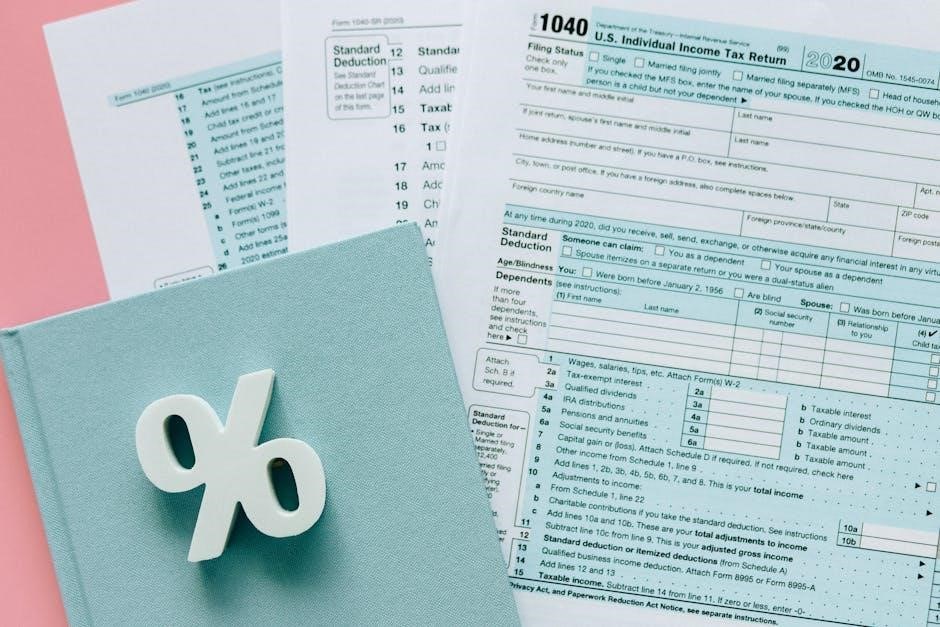
Accurately completing this part is vital to avoid overstating your credit․ The instructions provide detailed worksheets to help navigate the complex GBC reduction rules․ Careful attention to detail and thorough documentation are essential for a defensible claim․ Understanding these limitations ensures compliance with IRS regulations regarding Form 6765․
Form 6765 ⎼ Part III: Schedule of Increases

Form 6765‚ Part III‚ focuses on the “Schedule of Increases‚” a crucial component for companies exceeding specific research expenditure thresholds․ This section details how to calculate increases to the research credit when your qualified research expenses (QREs) surpass a base amount․
The schedule allows for a credit increase based on a percentage of the QREs exceeding the base amount․ The IRS instructions provide detailed guidance on determining the applicable percentage and calculating the corresponding credit increase․ This part requires careful tracking of QREs over time to accurately determine eligibility for these increases․
Properly completing this schedule can significantly enhance the research credit claimed․ Taxpayers must maintain meticulous records supporting the QRE calculations and the application of the increase percentages․ Understanding the nuances of this section is vital for maximizing the benefit of Form 6765․
Reporting Requirements and Deadlines
Form 6765‚ “Credit for Increasing Research Activities‚” has specific reporting requirements and deadlines that taxpayers must adhere to․ Generally‚ the form is filed with your annual income tax return․ However‚ due to ongoing updates and pending guidance as of April 9‚ 2026‚ the IRS is actively extending dates related to these requirements․
Taxpayers claiming the research credit must meticulously document all qualified research expenses (QREs) and maintain records supporting their calculations․ The IRS emphasizes the importance of accurate and complete reporting to avoid potential audits or disallowances․
Currently‚ the IRS is seeking feedback on draft instructions‚ indicating potential changes to the reporting process․ It’s crucial to stay informed about these updates and ensure compliance with the latest guidelines․ Proactive monitoring of IRS announcements is highly recommended to meet all deadlines effectively․
IRS Feedback and Draft Instructions
Form 6765 instructions are currently available in draft form‚ and the Internal Revenue Service (IRS) is actively requesting public comment․ This signifies an ongoing effort to refine the guidance for claiming the Research Credit‚ officially known as the Credit for Increasing Research Activities․
The IRS is particularly interested in feedback regarding the clarity and practicality of the proposed instructions․ Taxpayers‚ professionals‚ and stakeholders are encouraged to submit their comments and suggestions to help improve the form’s usability and ensure accurate application of the credit․
This open feedback period highlights the IRS’s commitment to transparency and collaboration․ It also suggests that the final instructions may undergo revisions based on the input received․ Staying informed about these developments is crucial for maximizing the benefits of the research credit and avoiding potential compliance issues․

Impact of Pending Guidance on Form 6765
Form 6765’s ultimate usability hinges on forthcoming guidance from the IRS․ Currently‚ actions taken by the IRS carry more weight than assurances regarding this pending direction․ Taxpayers are keenly awaiting clarity on how the agency intends to finalize the instructions for claiming the Research Credit․
The lack of definitive guidance creates uncertainty for businesses planning to utilize the credit․ It impacts strategic financial decisions and potentially delays claiming eligible research expenditures․ The IRS’s approach will determine the extent to which taxpayers can confidently navigate the complexities of Form 6765․
Until finalized‚ businesses should proceed with caution‚ meticulously documenting all research activities and associated expenses․ Staying abreast of updates and seeking professional advice are vital steps in mitigating risks associated with the evolving guidance surrounding Form 6765․
Recordkeeping Requirements for Research Credit
Robust recordkeeping is paramount when claiming the Research Credit via Form 6765․ Taxpayers must maintain detailed documentation substantiating all qualified research expenses (QREs)․ This includes‚ but isn’t limited to‚ project-level details‚ employee time records‚ and expense allocations directly attributable to research activities․
Specifically‚ documentation should clearly demonstrate the technological challenges overcome and the experimentation process undertaken․ Receipts‚ invoices‚ and contracts related to supplies‚ computer rentals‚ and wages are essential․ Contemporaneous records are strongly advised‚ as reconstructing information post-facto can be challenging․
These records must be retained for a minimum of three years from the date the return is filed‚ or two years from the date tax is paid‚ whichever is later․ Thorough documentation not only supports the credit claimed but also facilitates a smooth audit process if one arises․
Common Errors to Avoid on Form 6765
Form 6765‚ while beneficial‚ is prone to errors․ A frequent mistake involves incorrectly identifying qualified research expenses (QREs)․ Taxpayers often include expenses that don’t meet the stringent IRS definition‚ leading to disallowed credits․
Another common error is improper allocation of expenses between research and non-research activities․ Accurate time tracking for employees engaged in research is crucial․ Failing to maintain sufficient documentation to support QRE claims is also a significant issue․
Furthermore‚ overlooking the general business credit reduction can result in an overstated credit․ Incorrectly calculating the base amount or failing to account for increased amounts are also pitfalls․ Staying updated on pending guidance from the IRS is vital to avoid these errors and ensure compliance․
Relationship to Other IRS Forms & Credits
Form 6765‚ the Credit for Increasing Research Activities‚ doesn’t exist in isolation․ It interacts significantly with other IRS forms and credits‚ demanding careful coordination․
The research credit calculated on Form 6765 often flows to Form 3800‚ the General Business Credit form․ This is where the credit is applied against tax liability‚ potentially reduced by limitations․ Understanding these limitations is crucial․
Taxpayers should also consider the interplay with Form 6251‚ the Alternative Minimum Tax (AMT) form‚ as the research credit can impact AMT calculations․ Furthermore‚ businesses claiming the research credit may also be eligible for related deductions‚ requiring careful analysis to avoid duplication of benefits․
Staying informed about pending guidance ensures accurate reporting and maximizes the benefit of this valuable credit within the broader tax landscape․

Resources and Where to Find Help
Navigating Form 6765 and the Research Credit can be complex․ Fortunately‚ numerous resources are available to assist taxpayers․
The IRS website (irs․gov) is the primary source for official instructions‚ forms‚ and related publications․ Look for updates on draft instructions and pending guidance․ Tax professionals‚ including Certified Public Accountants (CPAs) and tax attorneys‚ offer expert advice tailored to specific situations․
Professional organizations‚ such as the American Institute of CPAs (AICPA)‚ frequently provide educational materials and insights on tax law changes․ Online tax software packages often include guidance and support for claiming the research credit․
Don’t hesitate to utilize the IRS Taxpayer Assistance Centers for personalized help․ Remember to document all research and consult with qualified professionals to ensure accurate and compliant reporting․
Future Updates and Changes to Form 6765
Form 6765 is subject to ongoing revisions as the IRS responds to feedback and clarifies evolving tax legislation․ Currently‚ draft instructions are under review‚ indicating potential changes to reporting requirements and credit calculations․
Taxpayers should anticipate updates based on pending guidance‚ as the IRS aims to align the form with current laws․ These changes may impact eligibility criteria‚ qualified research expense definitions‚ and the overall credit determination process․
Staying informed about these updates is crucial for accurate compliance․ Regularly check the IRS website (irs․gov) for announcements and revised instructions; Consulting with a tax professional will ensure you’re prepared for any modifications to Form 6765 and maximizing your research credit claim․